Cart
0
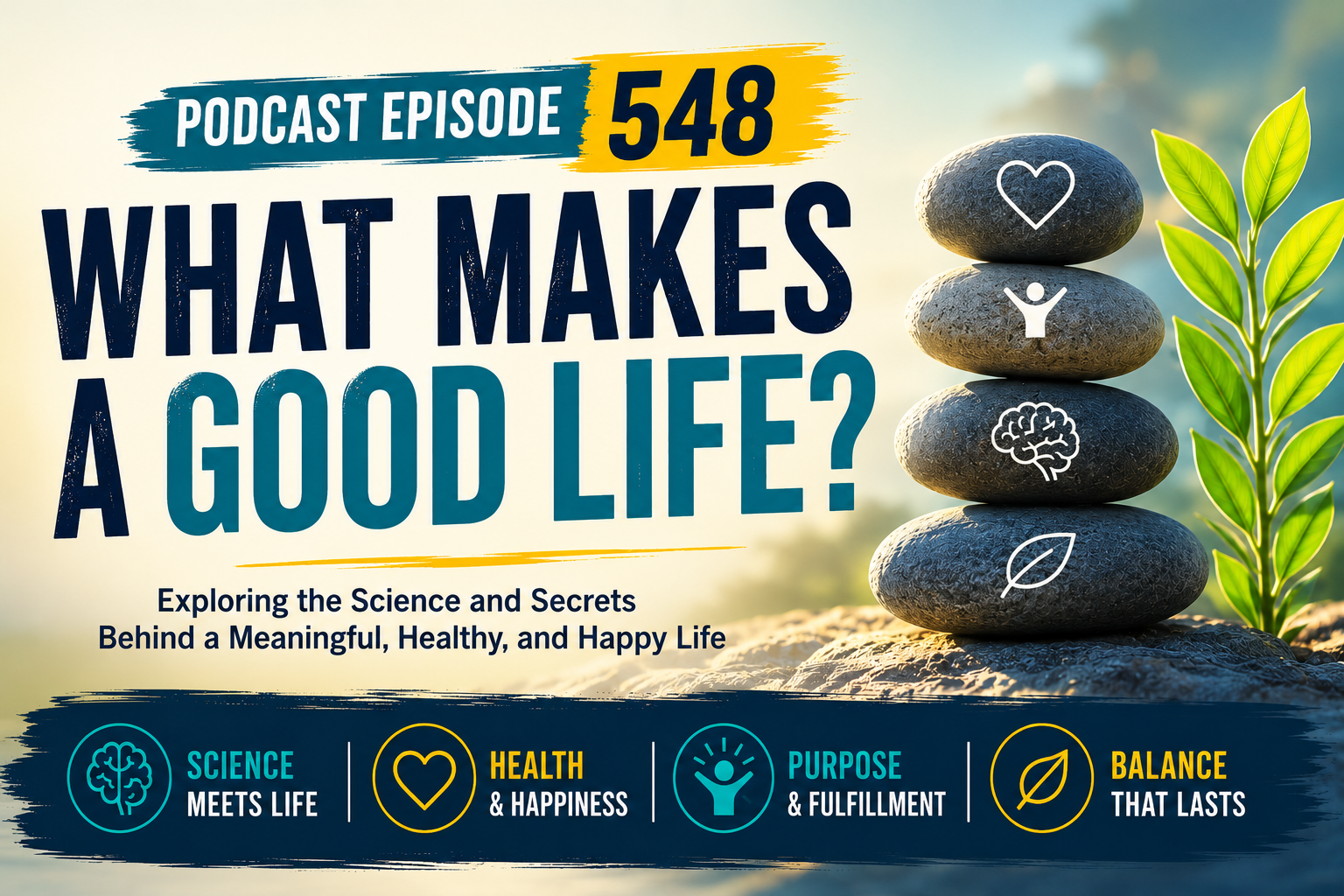
What do you think makes a good life? Find out on this episode of Digest This.
Hello and welcome to Digest This. I’m Dr. Liz Cruz, and I’ve got Tina Nunziato sitting right here by my side. Thank you so much for joining us. If this is your first time listening or watching, welcome. Please check out our library of more than 500 episodes. If you are a regular listener, thank you for always being on this journey with us.
Today, we are talking about what really makes a good life.
Tina found an article about a Harvard research study that started in 1938, and that immediately caught our attention. The study began by observing a group of 456 white males as they aged and lived their lives. Over time, the study also included their offspring, and it is still ongoing.
The researchers followed different markers over the years, including cholesterol levels, medical conditions, and other health factors. But what they found was fascinating.
The thing most connected to having a good life was not an amazing career, a perfect diet, avoiding alcohol, not smoking, or any of the other things we typically think of when we think about health and longevity. It was their relationships.
More specifically, it was how happy and satisfied they were in their relationships.
That says a lot about the importance of community, family, friendships, and meaningful connections. We have talked about this before, but this study really highlights how important it is to have people in your life and to maintain healthy relationships.
One of the things the study found was that people who felt content and happy in their relationships tended to have fewer health problems, including less heart disease, diabetes, and even arthritis.
That tells us a lot about how stress affects the body. Emotional stress, relationship stress, past trauma, loneliness, and a lack of connection can affect us physically. Stress can contribute to inflammation, heart disease, diabetes, and other health issues because the body is not able to function the way it was meant to.
Many people today are living under a lot of stress. In June 2026, there is a lot happening in this country that is causing people anxiety and worry. Many people are not only stressed about their family or personal life, but also about what is happening around them.
It is important to ask ourselves: is it worth carrying that level of stress, especially when we often have very little control over what is happening?
Loneliness is another major issue, especially as people get older. Many people raise their families, their children grow up and leave, and then they find themselves isolated. They may not have a close relationship with their children, or they may not have strong friendships around them. That loneliness can become a real health issue.
In the end, no matter how you look at life — career, work, politics, money, or responsibilities — what matters most is our relationships and our connection with other people.
What good is an amazing career if you do not have a relationship with your children or the people you love? That is just one example, but it shows how important these connections really are.
This study is a reminder that healthy relationships may help us live fuller, healthier, and potentially longer lives. We do not always think of relationships as something we need to work on intentionally, but we should.
We can spend years focused on working, making money, and handling responsibilities, but eventually work may slow down or end. Then what is left?
That is why it is so important to maintain relationships, build new connections, and take care of the people who are part of your life.
Thank you so much for being with us on this episode. If you want to connect with us, go to drlizcruz.com. There is a magenta button on the homepage where you can schedule a free 30-minute wellness consult. It is free and done over the phone, so you can do it from anywhere.
If you have not rated us, please rate us and give us a five. It helps other people just like you find us faster. If you have not subscribed to the podcast, please subscribe so you never miss an episode.
When you visit our website, please also subscribe to our newsletter. We send it out every two weeks with a lot of great information.
Thank you so much for joining us, and we will catch you on the next podcast.