Carrito
0
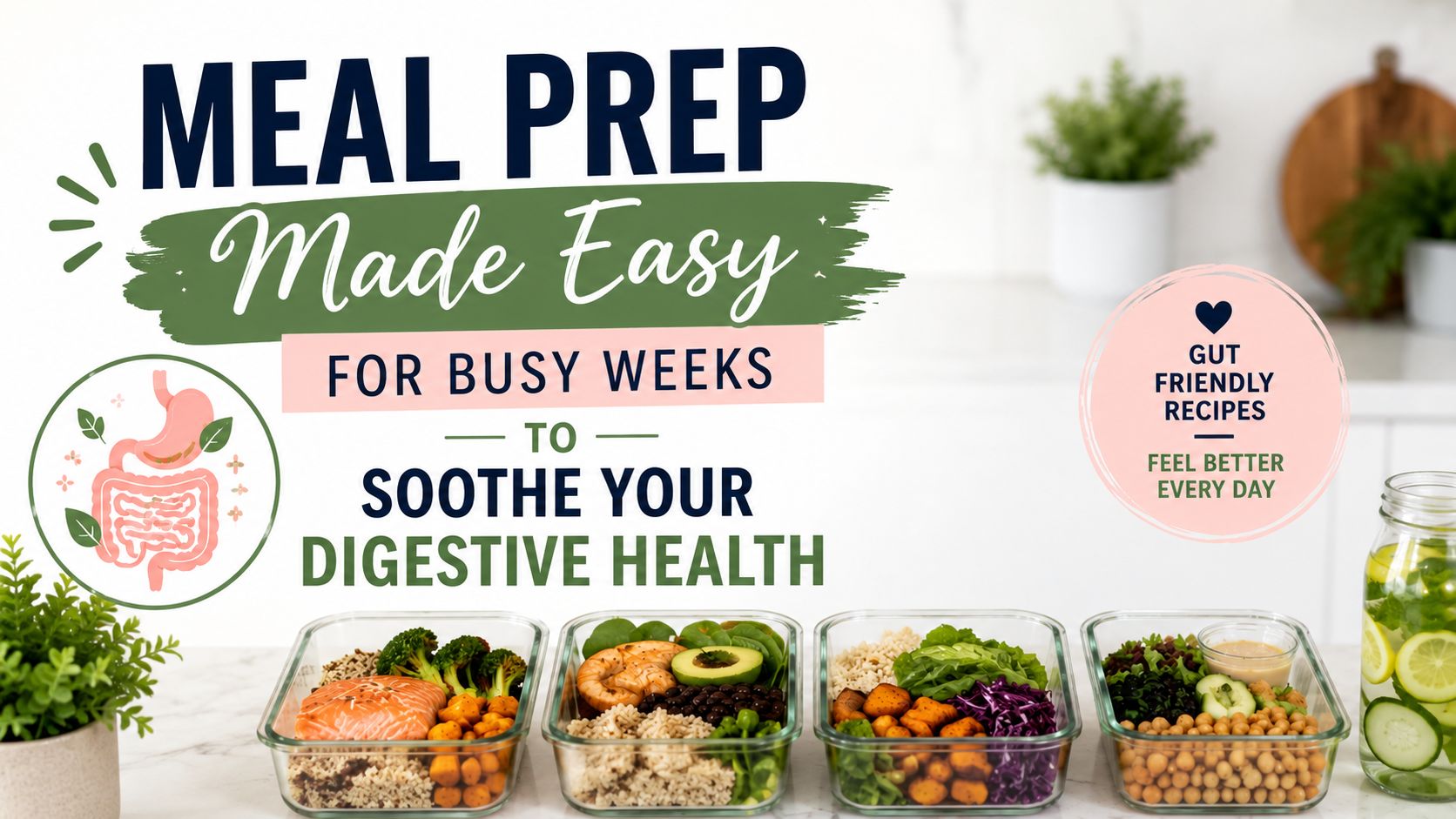
Busy adults with digestive concerns, nurses on long shifts, teachers on tight schedules, parents racing from work to pickups, often notice the same pattern: symptoms flare when life gets packed. The core tension is real: time constraints and gut health rarely cooperate, and rushed meals, skipped meals, and last-minute choices can turn ordinary digestive health challenges into days of discomfort and low energy. Many people managing digestive symptoms amid a busy lifestyle also carry the stress of not knowing what will “sit right,” which can make eating feel like a daily gamble. A simple, steady approach to meal prepping for digestive wellness can bring more predictability and calm to the week.
Understanding How Food Choices Affect Digestion
When your digestion feels unpredictable, it helps to remember this: your gut responds to what you eat and when you eat it. Your body is always digesting and using food because nutrition is the process of eating and absorbing food, so big swings in meal makeup can feel like big swings in comfort.
Balanced meals matter because pairing protein, gentle carbs, and healthy fats can slow things down in a steady way. Fiber also plays a quiet but powerful role by feeding the gut microbiome, which supports more regular digestion over time.
Think of your gut like a daily commute: predictable routes reduce stress. Prepped meals create consistent “routes” so your system is not constantly adapting to last-minute choices. With that foundation, fast planning and smart batching can build gut-friendly meals for the whole week.
Build a Gut-Friendly Meal Prep Plan in 30 Minutes
This simple routine helps you create steady, digestible meals with less daily decision-making, which is especially helpful when you want gastrointestinal support that feels realistic on busy weeks.
-
Clarify your real week before you pick food
Start by looking at your calendar as your first “recipe” and mark late workdays, social plans, workouts, and any time you know you will be tired. Decide how many breakfasts, lunches, dinners, and snacks you truly need, not what you wish you cooked. This protects your energy and prevents over-prepping foods you will not eat. -
Choose 2–3 “safe base meals” with balanced macros
Pick a few meals you reliably tolerate and build each one around a protein, a gentle carb, a vegetable, and a calming fat. Keep flavors simple at first and use optional add-ons on the side, like a sauce, herbs, or a small portion of higher-fiber toppings, so your plate can match your gut that day. -
Batch-cook components, not a week of identical plates
Cook one or two proteins, one carb, and two easy vegetables so you can mix-and-match without overwhelming your digestion or your taste buds. This approach keeps meals consistent in structure while still giving you variety, which can make it easier to stay regular and avoid impulsive, last-minute choices. -
Shop once with a short, repeatable list
Write a simple plan for the week, then use make a shopping list that focuses on your base-meal ingredients plus 2–3 quick backups. Include “rescue foods” you tolerate when symptoms flare, such as plain rice, eggs, or lactose-free yogurt, so you always have an option. -
Portion for comfort and set up quick assembly
Pack meals into grab-and-go containers with moderate portions, then leave room to adjust at eating time. Keep a visible “first to eat” row in the fridge so you rotate meals smoothly and reduce the risk of skipping food or eating too fast.
Weekly Habits That Keep Your Gut Calm
Meal prep works best when your body feels supported between meals, not just during cooking. These habits give your digestion predictable cues so you can follow your plan with more confidence, even when work and life get loud.
Two-Minute Meal Arrival
-
What it is: Sit, take five slow breaths, and start eating without multitasking.
-
How often: Daily, before main meals.
-
Why it helps: It shifts you out of stress mode so digestion can start smoothly.
Fiber Ladder Add-On
-
What it is: Add one gentle fiber side, like beans, greens, or cooked carrots, to one meal.
-
How often: 3 times weekly.
-
Why it helps: The average American only consumes much less fiber than recommended.
Water Pairing Rule
-
What it is: Drink a full glass of water when you unpack a prepped meal.
-
How often: Daily.
-
Why it helps: Hydration supports softer stool and steadier motility.
Ten-Minute Motility Walk
-
What it is: Take an easy walk after eating, keeping your pace conversational.
-
How often: Daily, after one meal.
-
Why it helps: Gentle movement can reduce bloating and support regularity.
Sleep Guardrail
-
What it is: Choose a consistent lights-out time and protect it like an appointment.
-
How often: Nightly.
-
Why it helps: A healthy sleep pattern is associated with lower digestive disease risk.
Pick one habit this week and adjust it to fit your family rhythm.
Meal Prep Q&A for Calmer, Easier Weeks
Q: What are the best meal prep tips to support digestive health during a busy week?
A: Pick 2 to 3 “safe” meals your stomach typically tolerates, then repeat them. Prep mix-and-match basics (cooked grains, steamed veggies, a simple protein, a sauce on the side) so you can build plates without decision fatigue. Keep batches modest since properly refrigerated meal components remain fresh for 3 to 5 days.
Q: How can I balance meal prep to include foods that promote good digestion?
A: Aim for a steady pattern: gentle fiber, adequate protein, and cooked produce at most meals. If raw foods bloat you, choose soups, stews, smoothies or steamed vegetables instead. Add one “gut helper” at a time so you can notice what truly works for you.
Q: What strategies can help reduce digestive discomfort when meal prepping for hectic schedules?
A: Keep seasonings simple and portion sizes moderate, especially at dinner, when rushed eating is common. Freeze a few backup servings so you are not stuck eating the same higher-fiber meal multiple days in a row. If a new ingredient feels risky, test it at lunch on a calmer day.
Q: How do I organize my grocery list and cooking workflow to simplify meal prep focused on gut health?
A: Write your list in sections: proteins, carbohydrates, vegetables, fats, and “comfort extras” like ginger tea or broth. Cook in a predictable order: start grains, steam veggies, then cook protein, then portion. If your meal plan lives in a PDF, you can convert PDF pages to Excel to help you adjust portions and track patterns without rewriting everything.
Q: What if I want to use meal prep services to maintain digestive health during especially busy weeks?
A: That can be a supportive bridge when your schedule spikes, especially since 46% of urban consumers prefer meal prep options for time constraints. Choose simple menu items with clearly listed ingredients and request sauces or higher-FODMAP add-ins on the side when possible. Start with a small order, then note how your digestion responds before committing.
Start Small Meal Prep Habits for Long-Term Digestive Wellness
When life is packed, it’s easy for meals to become an afterthought, and for your gut to feel the consequences. A gentle, sustainable digestive health strategy is to lean on consistent meal prepping and simple nutrition planning, so decisions are made before stress and hunger take over. Over time, the benefits of consistent meal prepping show up as steadier energy, fewer “what can I eat?” moments, and more confidence that food can support comfort instead of triggering worry. Small, repeated prep routines create calm meals and calmer digestion. Choose one prep routine to repeat this week, and let it be “good enough” on the busiest days. That’s inspiring self-care for gut health, and it builds resilience that supports long-term digestive wellness.
Article by: Hazel Bridges from Aging Wellness
Thank you Hazel for helping us educate the world on digestive and overall health.